PostNL heeft flinke achterstanden in hun verzendproces. Houdt aub rekening met vertraging.

Filter by price
Brand


Product categories
- Batteries 11
- Discontinued Products 19
- DIY 2
- Grow 194
- Cannabis Seeds 130
- Barney's Farm 54
- De Sjamaan 27
- Dutch Passion 11
- Grow Cans 2
- Royal Queen 15
- Seeds Type 128
- Autoflowering Seeds 42
- Feminized Seeds 107
- Indoor 119
- Medical: CBD 13
- Outdoor 123
- Regular Seeds 21
- Sensi Seeds 7
- Strain Type 128
- Amnesia Seeds 4
- Cali 33
- CBD 5
- Gorilla 7
- Haze 15
- High THC Seeds 51
- Indica 66
- Kush 28
- Purple 22
- Sativa 34
- Skunk 23
- White Widow 16
- White Label 14
- Fertilizer 24
- Harvest 20
- Curing 8
- Extraction 7
- Hygiene 2
- Scissors 3
- Odor Control 6
- Pest Control 5
- Pots 6
- Soil 2
- Watering 1
- Cannabis Seeds 130
- Headshop 983
- Bongs 155
- Bong Accessories 61
- Glass Bongs 71
- Pipe & Bong Screens 14
- Pipe Cleaning 12
- Various Bongs 1
- Capsules 16
- Drug Tests 8
- Hemp & Mushroom Food 8
- Lifestyle 119
- Paraphernalia 364
- Pipes 109
- Glass Pipes 29
- Metal Pipes 24
- Oil Pipes 33
- Various Pipes 3
- Wooden Pipes 25
- Scales 30
- Stash & Rolling 76
- Storing & Dosing 5
- Vaporizers 64
- Various Headshop 25
- Sniff 8
- Ziplock Bags 32
- Bongs 155
- Health 67
- Shisha 48
- Smartshop 272
- After Party 10
- Aphrodisiacs 7
- Cannabinoids 1
- Magic Mushrooms 32
- Party Pills 16
- Psychedelics 36
- DMT 4
- Mescaline Cacti 19
- Other Psychedelics 11
- Salvia Divinorum 4
- Psychoactive Herbs 126
- Blue Lotus 11
- Dream herbs 6
- Kanna 10
- Kratom 46
- Other Psychoactive Herbs 36
- Psychoactive Extracts 39
- Rapé 11
- Relaxers 46
- Snus 4
- Uncategorized 1
Recently Viewed
Grow Room Pest Control – Yellow Sticky Traps, Trichome Microscope & Organic Pest Control
Shop grow room pest control products to catch, monitor, and treat common plant pests organically. Use yellow sticky traps and fungus gnat traps for pest monitoring and to catch fungus gnats, whitefly, and thrips on plants before they spread. Treat spider mites on plants, early signs of spider mites, and thrips with organic pest control solutions including insecticidal soap for spider mites, organic pesticides, garlic spray for plants, and other organic pest control for plants and organic pest control for garden use. Tackle powdery mildew and spider mites plants issues early with the right treatment, and use a trichome microscope to monitor plant health up close.
FAQ - Questions about Pest Control:
What does a yellow sticky trap do?
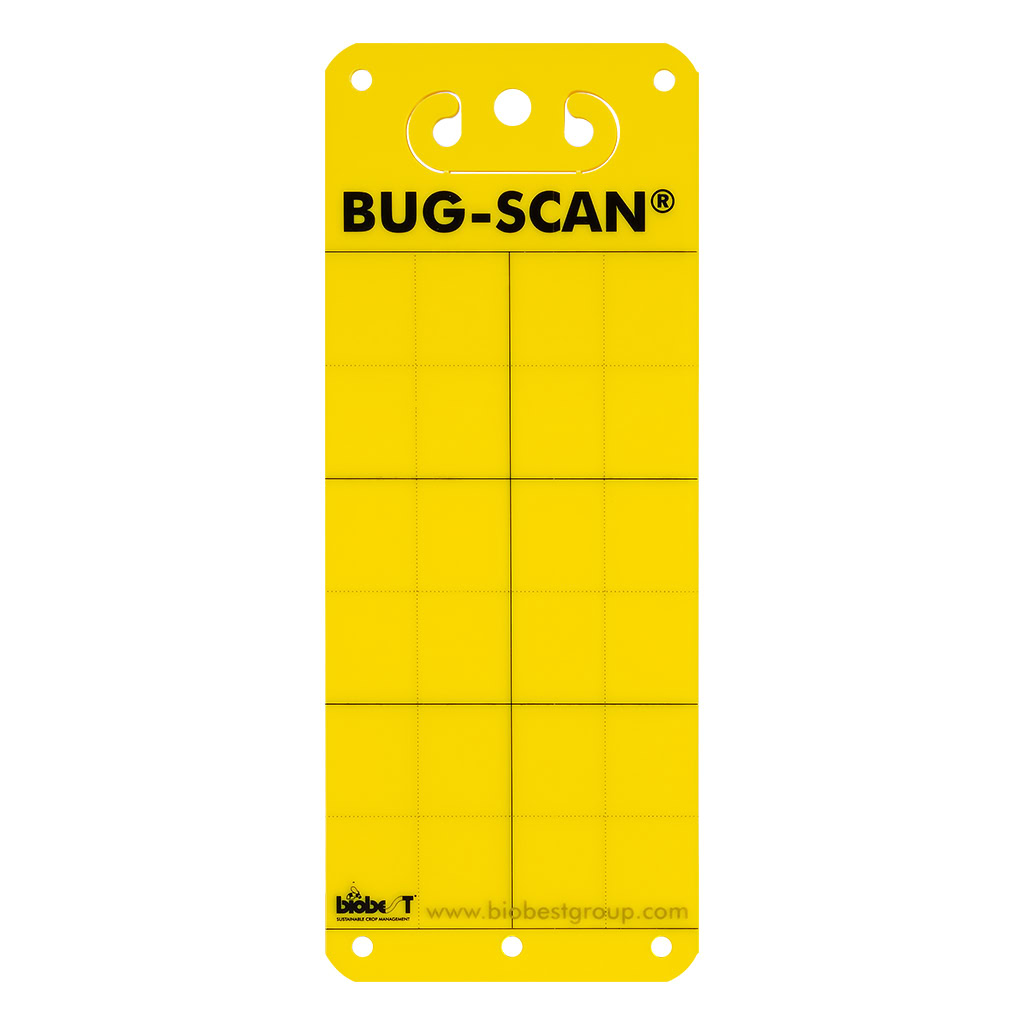
A yellow sticky trap catches and reveals flying pests on your plants. Hang one and the bright yellow draws insects in; they stick on contact, which lets you see what is active before an infestation spreads.
What insects are attracted to yellow sticky traps?
The yellow colour pulls in flying insects: whitefly, fungus gnats, thrips and leafminers land and stick. Traps catch the odd winged aphid too, but aphids cluster on stems rather than fly, making garlic concentrate the better choice.
How do yellow sticky traps work?
They work on colour, not bait. Insects head for the bright yellow, then the glue coating both sides of the sheet holds them. The printed grid makes counting easy, letting you track if pest numbers rise or fall.
How effective are sticky traps?
Sticky traps are highly effective for monitoring and reducing flying pests. They catch adults and give early warning, but they will not clear an infestation alone, since they do not stop insects breeding on the plant. Use them to detect, then act with garlic concentrate or predators.
How often should you replace yellow sticky traps?
Replace a trap once it is covered in insects or dust, usually every two to three weeks. Check and count the catch weekly, and swap them sooner in a heavy infestation. A fresh, tacky surface catches far more than a crowded one.
Do sticky traps work for thrips?
Yes, yellow traps catch adult thrips. But, because thrips do most damage as larvae feeding on the plant, treat traps as a monitoring tool and pair them with garlic concentrate for control.
Where do you place sticky traps?
Hang traps just above the canopy and raise them as the plants grow. One trap per square metre monitors an area well; space them evenly, and lay one flat near the soil to catch fungus gnats emerging from the growing medium.
Are sticky traps enough to control pests on their own?
No. Sticky traps catch flying adults, but some always escape to keep breeding, meaning they monitor and reduce, not eradicate. Combine them with organic garlic concentrate, clean grow-room habits, and early inspection with a microscope.
Does garlic work against spider mites?
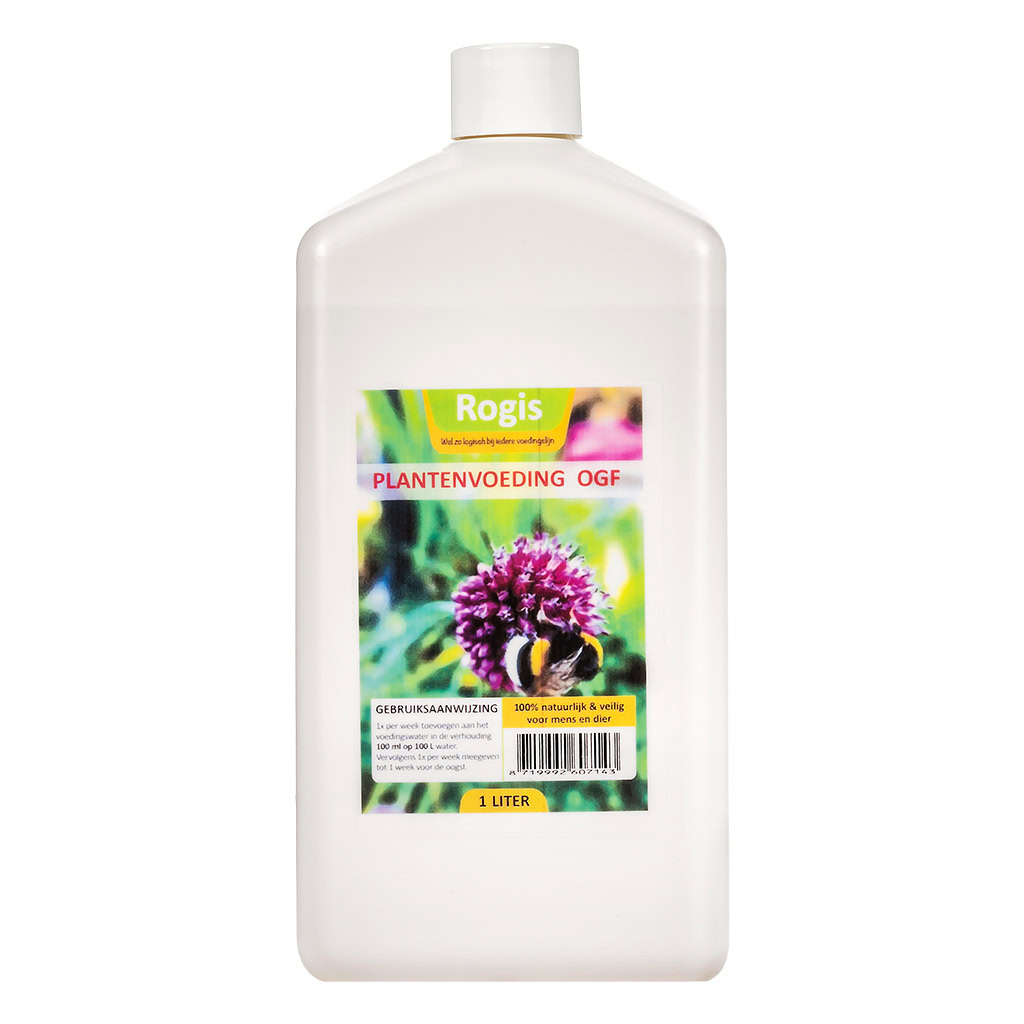
Yes. Garlic is one of the most effective natural deterrents against spider mites; its organosulphur compounds make plant sap unappealing to them. Rogis OFG Garlic feeds this into the plant's sap flow, causing mites to stop feeding.
How do you get rid of spider mites on plants naturally?
Add garlic concentrate to your nutrient water so that the plant carries the deterrent in its sap, then monitor with sticky traps and inspect leaf undersides with a microscope. Rogis OFG Garlic does this without chemicals near your buds, and doubles as a fertiliser.
How do you make garlic spray for plants?
You can boil crushed garlic in water, strain it, and spray, but a spray only coats the leaves it reaches and washes off. Rogis OFG Garlic skips that: mixed into nutrient water, the plant absorbs it evenly, even in hard-to-reach corners.
What is the best organic pest control for a grow room?
The best organic setup combines detection and prevention: yellow sticky traps to monitor flyers, garlic concentrate to deter sap-suckers, and a microscope to catch trouble early. Rogis OFG Garlic also feeds trace elements and NPK while it protects.
How do you prevent pests on cannabis plants?
Keep the grow area clean, quarantine new plants, and inspect weekly. Add garlic concentrate to nutrient water as a preventive deterrent, and hang sticky traps to flag any flyers early. Prevention costs far less than clearing an established infestation.
How do you spot pests on plants early?
Check weekly, turning leaves to inspect the undersides where mites, thrips and whitefly settle. Watch for stippling, yellowing, webbing or sticky residue, and run a pocket microscope over new growth. Sticky traps give a second early-warning line for flying pests.
How do you get rid of spider mites on indoor plants?
On indoor plants, add garlic concentrate to the water so the plant deters mites from within, and lift humidity slightly since mites thrive in dry air. Inspect leaf undersides with a microscope and hang sticky traps to monitor. Repeat until the plants stay clear of mites.
What magnification is best for trichomes?
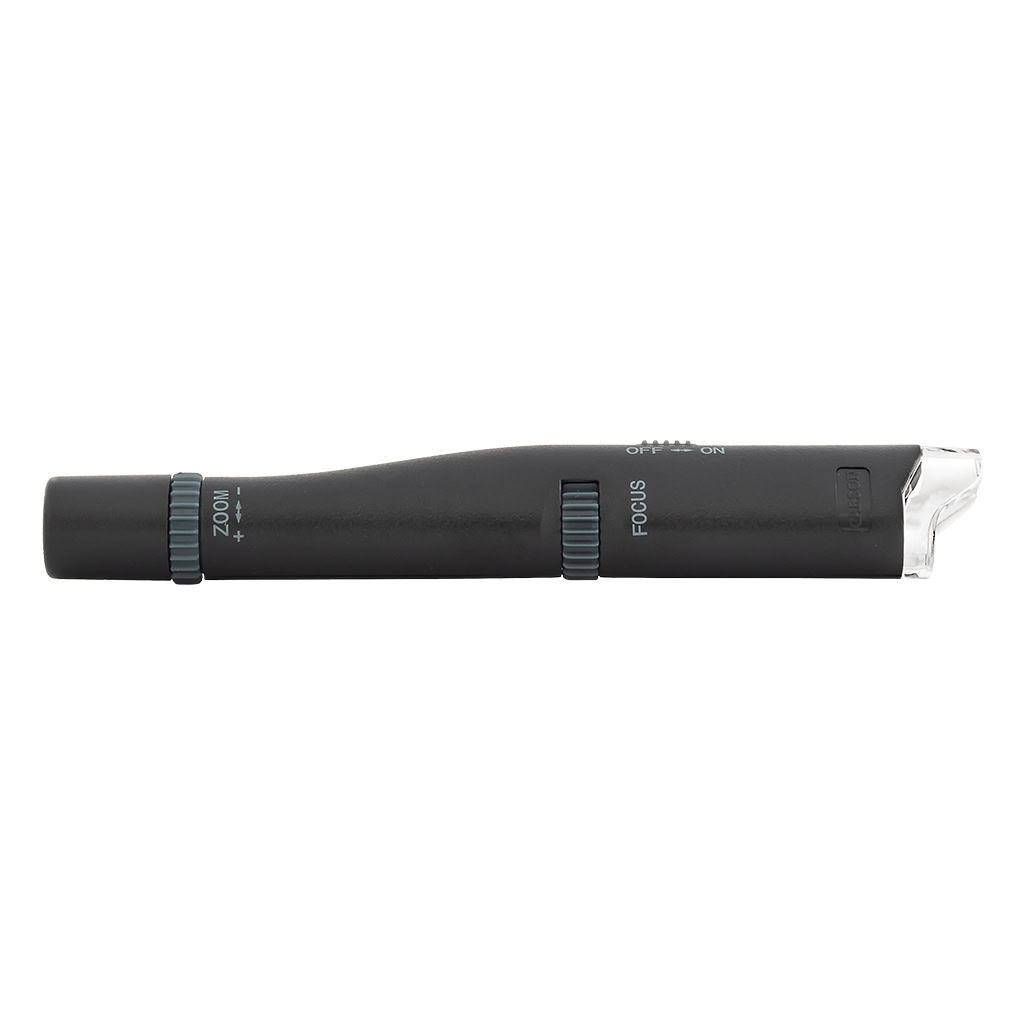
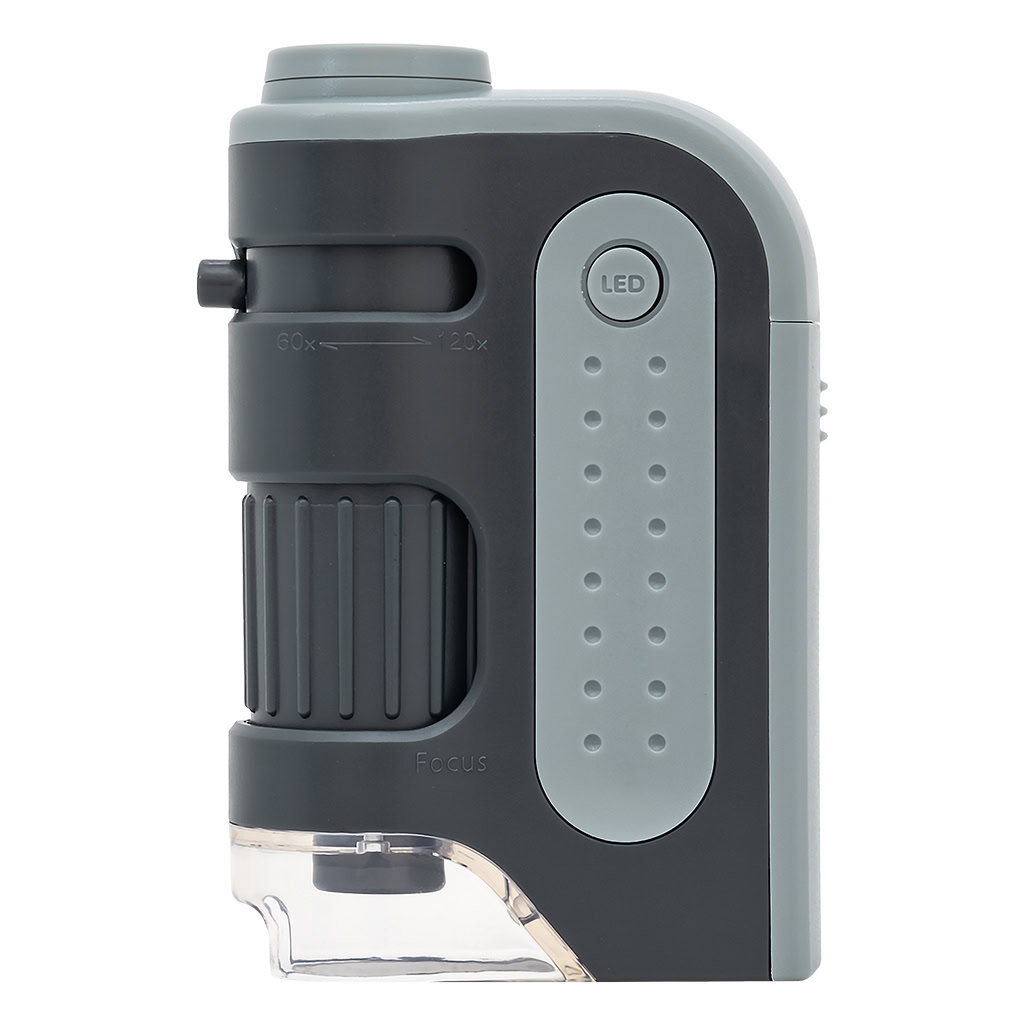
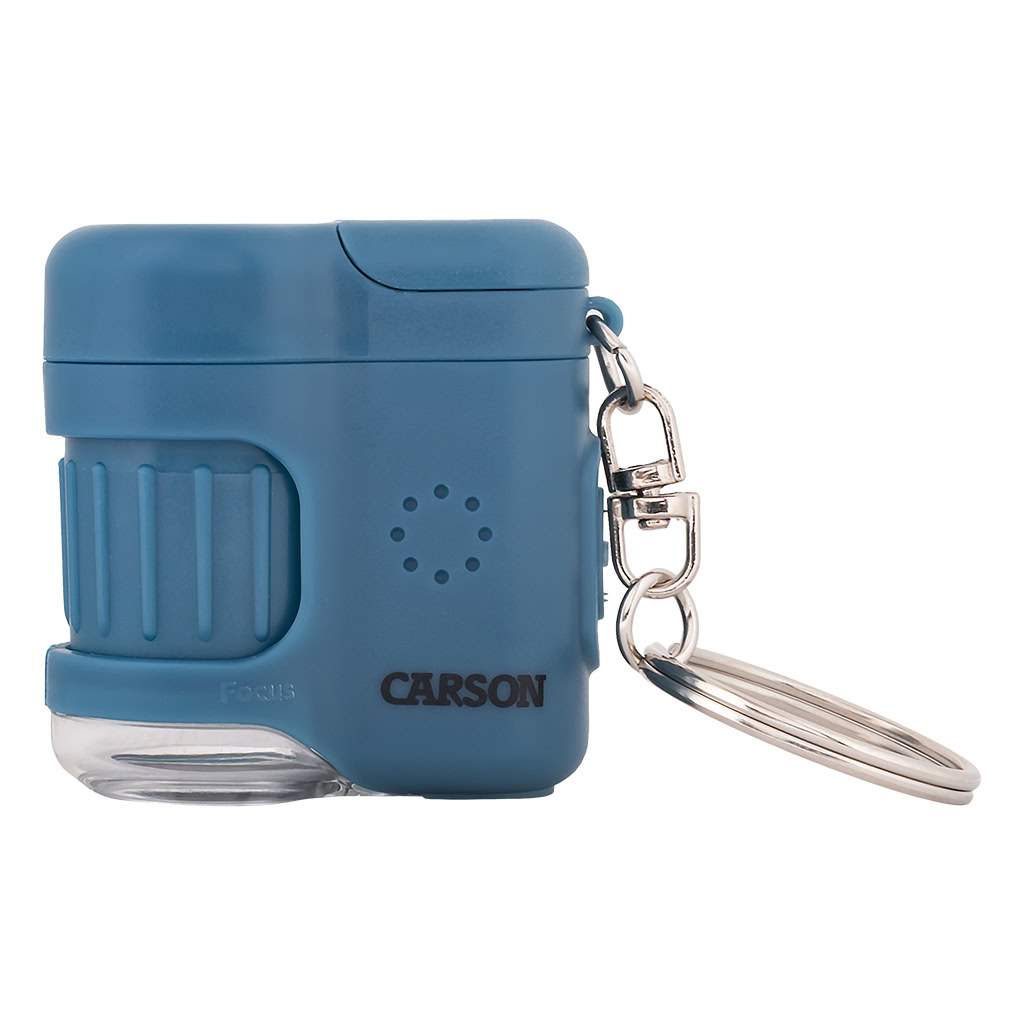
For reading trichomes, 30x to 100x is the sweet spot. Our Pocket Microscope 60-120x sits right in that range for judging colour, the Pen Microscope 24-53x suits a quick look, and the 20x scope fits whole-plant pest checks rather than trichomes.
How can you tell if buds are ready for harvest?
Zoom in on the trichomes, the resin glands on the buds. Harvest when most trichomes have turned from clear to milky-cloudy, with a few turning amber. The pistils darken from white to reddish-brown. A 60-120x microscope shows the colour clearly.
What colour should trichomes be at harvest?
Clear trichomes mean the buds are immature. Cloudy or milky trichomes mean peak potency. Amber means the buds are past peak, tipping toward a heavier, more sedating effect. Most growers harvest when trichomes are mostly cloudy with a few amber.
Is a jeweller’s loupe good enough for trichomes?
No, most reach only 30x to 60x and have no light, making fine detail hard to read. An LED pocket microscope with 60x to120x gives sharper, lit magnification for judging trichome colour with confidence.
How do you use a pocket microscope?
Hold the scope against a leaf, stem or bud, switch on the LED, and turn the focus wheel until the image sharpens. Check leaf undersides for pests and eggs, or the buds for trichome colour. |